
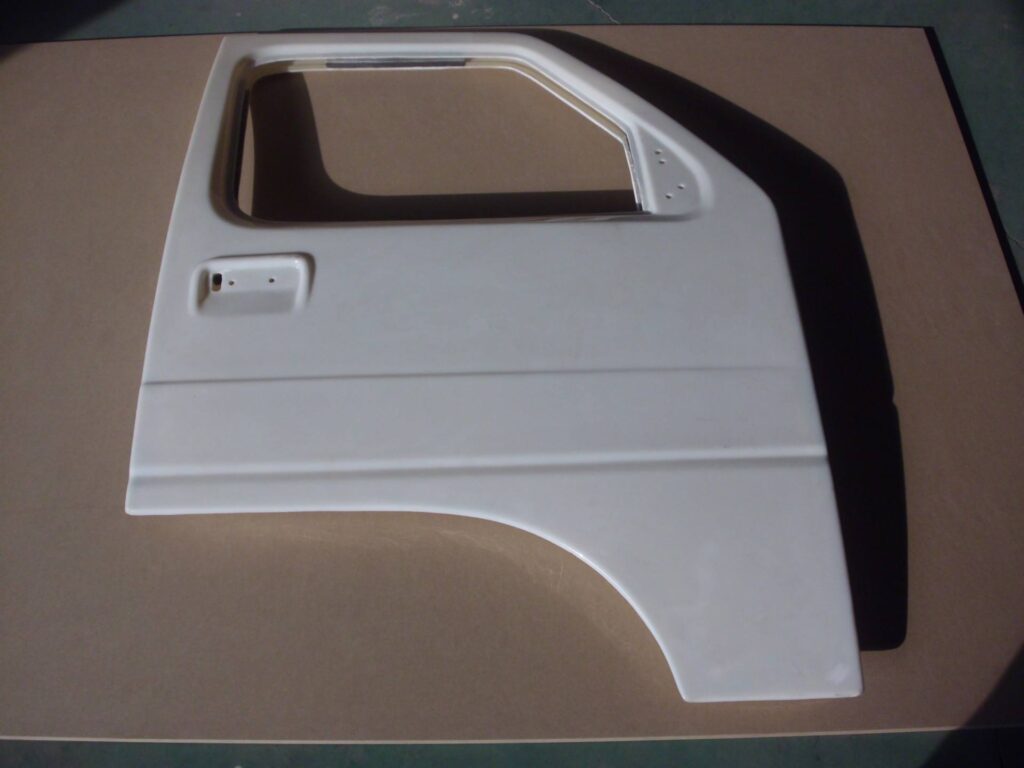
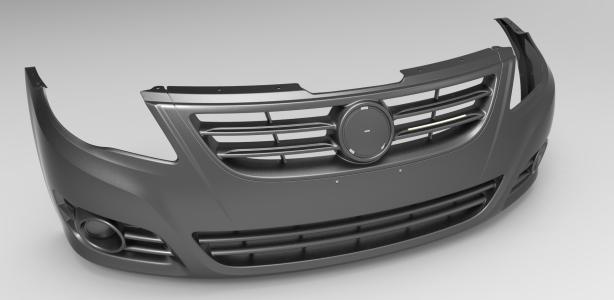
Thick-sheet thermoforming applications in the automotive industry primarily encompass interior components (such as instrument panels, centre consoles, door panels) and exterior components (such as body cladding, advertising light boxes, etc.), offering advantages including lightweight construction, environmental sustainability, and high production efficiency.
Interior Component Applications
Lightweighting: Utilising materials like ABS and PC, density is reduced by over 40% compared to traditional fibreglass, with individual door panel weight decreasing from 8kg to 4.5kg.
Environmental Sustainability: Solvent-free formulation with VOC emissions at just one-fifth of fibreglass levels, compliant with GB/T 27630 certification.
Production Efficiency: Vacuum forming technology completes complex curved components in 5 minutes, reducing delivery cycles to 1 day.
Design Flexibility: Supports IMD processes to replicate carbon fibre, wood grain and other effects, enabling translucent and gradient designs.
Exterior Trim Applications
Body Panelling: Replaces traditional metal components for scratch protection and decorative strips, reducing weight.
Advertising Light Boxes: Employed for interior and exterior vehicle lighting, enhancing aesthetics through translucent design.
Other Applications
Functional Structural Components: Such as appliance housings and medical instrument accessories, requiring temperature resistance from -30°C to 70°C alongside moisture and oil resistance.